Kufstein Camp
Displacement in Europe
Weißachstraße, Kufstein, Tyrol, Austria · Documented 1945–1950
A large, multinational camp in the Weißach district of Kufstein, in the French zone of Tyrol, which sheltered, fed and screened thousands of people and then sent them home or overseas. Ukrainians were one of several communities, and the second largest Ukrainian group in the whole French zone of Austria.
Introduction
Kufstein’s displaced-persons camp stood on Weißachstraße, in the Weißach district of the Tyrolean town on the Inn near the German border. It belonged to the French occupation zone and was one of the zone’s largest camps. Its barracks housed people from several national and religious backgrounds, including Ukrainians.
The camp was both a residential community and a place from which people sought permission to begin again elsewhere. Photographs show barracks, children’s activities and religious life; official returns reveal a Ukrainian population that became considerably smaller as the post-war years passed.
Sources for this section
- Kufstein schreibt Stadtgeschichte: Halbzeitbilanz für Festungsstädter Buchprojekt
- Sur les traces des camps DP dans les anciennes zones françaises en Allemagne et en Autriche
- Displaced Persons Camps in Austria, I–K
- DP camp in Kufstein, Austria: historical photographs and family account
- The Refugee Experience: Ukrainian Displaced Persons after World War II
A history in dates
- May 1945Kufstein is one of four displaced-persons camps established in Tyrol during the first post-war weeks.
- July 1945French units take over the occupation of Tyrol from the Americans.
- September 1945A UNRRA Team 199 report records 3,262 displaced people in the camp.
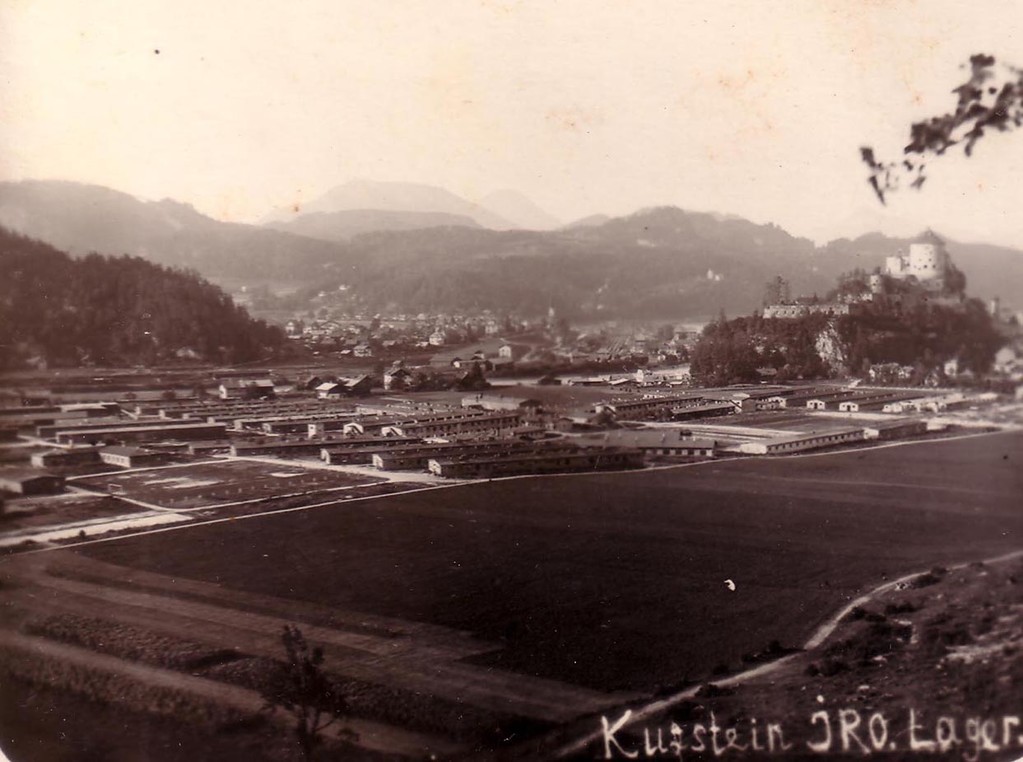
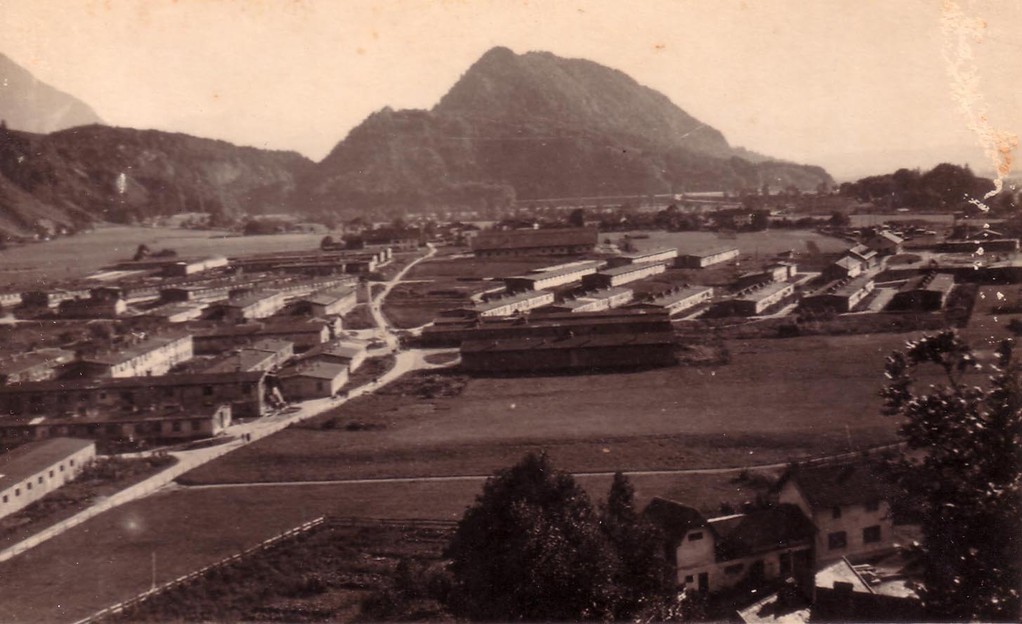
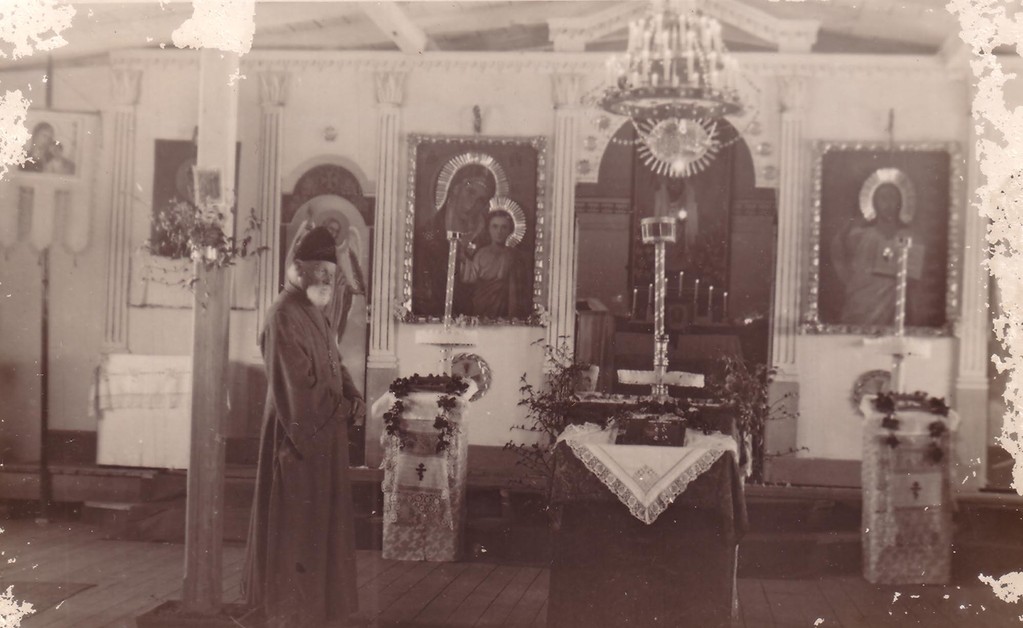
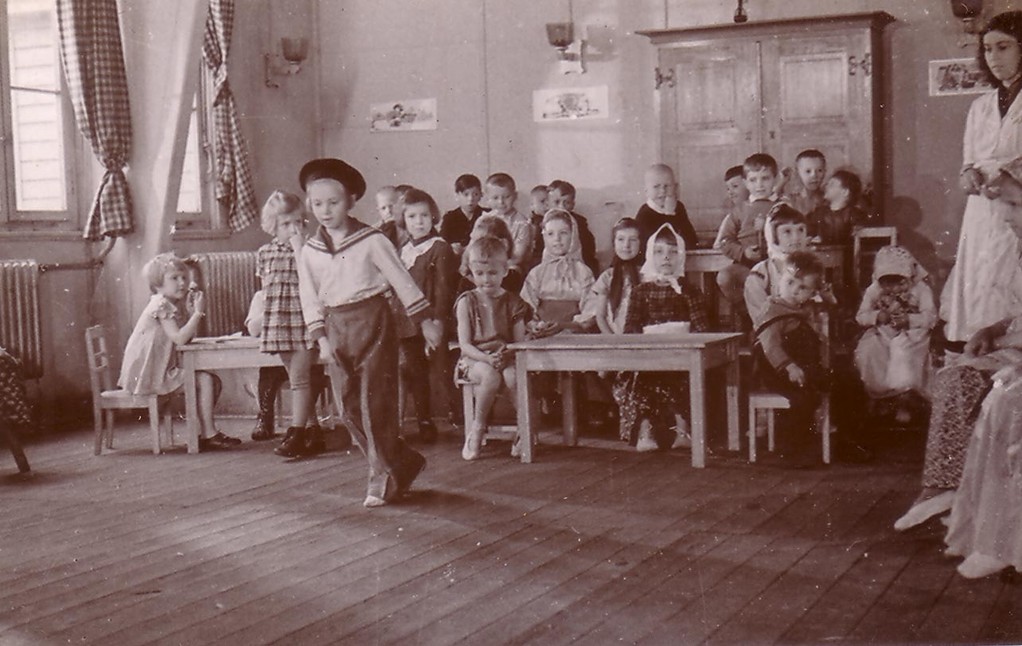
- 1945–1949Surviving camp photographs show residential buildings, a kindergarten and a Russian Orthodox church.
- 10 May 1946UNRRA lists ninety-seven Poles leaving the camp the next day for repatriation to Poland.
- 1947A family account records a Venezuelan recruitment visit as residents consider countries of settlement.
- 30 September 1948The camp return counts 464 Ukrainian residents, out of 2,006 in the French zone of Austria.
- 30 June 1950A later return counts 123 Ukrainian residents, out of 520 in the zone.
- 2005The former camp buildings are demolished.
- 2019Kufstein’s local history project gathers accounts of camp childhood, medical checks and emigration.
- 2022The fifth volume of the Edition Kufstein publishes the town’s migration history, the Weißach camp included.
Sources for this section
- French occupation authorities: displaced persons and refugees service
- Sur les traces des camps DP dans les anciennes zones françaises en Allemagne et en Autriche
- DP camp in Kufstein, Austria: historical photographs and family account
- The following group of 97 Poles are leaving UNRRA camp Kufstein the 11 of May 1946 for repatriation to Poland
- The Refugee Experience: Ukrainian Displaced Persons after World War II
- Kufstein schreibt Stadtgeschichte: Halbzeitbilanz für Festungsstädter Buchprojekt
- Von Zugewanderten, Weggegangenen und Dagebliebenen (Edition Kufstein, volume 5)
From emergency relief to a settled camp
The French Diplomatic Archives identify Kufstein as one of four camps opened in Tyrol in May 1945. American forces handled the initial repatriations before French units arrived in July. UNRRA provided accommodation, food and medical care for those it assisted, working at Kufstein as Team 199.
A September 1945 report associated with UNRRA Team 199 recorded 3,262 displaced people at Kufstein. Later research describes a community including Russian emigrants, Jews, Poles, Ukrainians and Romanians, with ethnic German refugees also living alongside displaced people. A single national label would miss much of the camp’s history.
Counted, screened and sent on
UNRRA’s own Austrian files show what that administration looked like on paper. A registration list of Yugoslavs at camp Kufstein runs to 180 people, described as Yugoslav and Russian, and records for each of them a name, a date of birth, a place of residence, a religion and a trade. It is the kind of document from which a camp population was managed, rationed and sorted.
A second list, dated 10 May 1946, names ninety-seven Poles leaving camp Kufstein the following day for repatriation to Poland, with dates and places of birth and the destination each was going to. Repatriation eastwards was the first business of the camps, and for Poles from what had become Soviet territory, and for Ukrainians from the Soviet Union, it was also the thing most to be avoided.
Living, learning and worshipping in the barracks
Surviving photographs place everyday life within a recognisable settlement of low buildings, paths and open spaces. Views of a kindergarten record children gathered for activities, while photographs of a Russian Orthodox church show a dedicated space for worship. The church images document that congregation; they do not establish a Ukrainian parish.
Accounts collected for Kufstein’s municipal history project recall sparse living conditions and health supervision. Children were regularly examined before being allowed to attend school. Those memories show how the routines of family life were shaped by the camp’s medical administration.
The camp has since been written into the town’s own history. The fifth volume of the Edition Kufstein, published in 2022 by three historians of the University of Innsbruck working with the city archive, treats Kufstein’s migration between 1930 and 2000 as a single subject: the South Tyrolean optants who arrived from 1939, the displaced people who ended up in the Weißach camp after the war, and the labour migrants recruited from Yugoslavia and Turkey from the 1970s. It draws on thirty-five interviews.
The Ukrainian community in numbers
Ukrainians were a substantial minority within this mixed settlement. The return for 30 September 1948 counted 464, compared with 123 on 30 June 1950. The two figures describe Ukrainian residents at those dates. They are separate from the 1945 total, which covered the camp’s displaced population across nationalities.
Set beside the other camps of the French zone of Austria, Kufstein was the second largest Ukrainian community in the zone on both dates. The zone held 2,006 Ukrainians on 30 September 1948 — Landeck 1,161, Kufstein 464, Vorkloster 255, Wörgl “A” 85 and Hötting 41 — and 520 on 30 June 1950, of whom Landeck had 339, Kufstein 123, Hötting 31 and Vorkloster 27. Almost a quarter of the Ukrainians still in the zone in 1950 were at Kufstein.
The changing numbers place Kufstein within the wider Austrian network of Ukrainian communities, alongside Landeck, Innsbruck and camps in the other western occupation zones. Moving through this network could precede departure from Europe; arrival in Kufstein was not itself overseas resettlement.
Population returns with their scope
Ukrainians in the camps of the French zone of Austria
| Camp | 30 September 1948 | 30 June 1950 |
|---|---|---|
| Landeck | 1,161 | 339 |
| Kufstein | 464 | 123 |
| Vorkloster | 255 | 27 |
| Wörgl “A” | 85 | — |
| Hötting | 41 | 31 |
| French zone | 2,006 | 520 |
Waiting for a country of settlement
An emigration office in the camp helped arrange onward journeys. Interviews collected by the city’s history project remember routes to Canada and New Zealand. These recollections explain why administrative offices were as important to camp residents as the barracks in which they lived.
A publicly shared family archive records a different route: arrival in October 1945, years of waiting, and departure for the United States in July 1949. It also recalls a Venezuelan recruitment visit in 1947. These examples illustrate several possibilities considered by residents rather than a single destination shared by the camp.
What remained after the emigration years was a residual population that no scheme would take, and the camp changed its character accordingly. Its buildings came to be known simply as the Flüchtlingshäuser, the refugee houses — no longer an assembly centre but housing on the edge of an Austrian town.
What survives of Kufstein Camp
The former camp buildings were demolished in 2005, according to research drawing on the city archivist’s assistance. Its history now survives across official records, family photographs and memories collected locally.
The Tyrol State Archive lists an identity-card index for the Kufstein UNRRA refugee camp beginning in 1945. The French Diplomatic Archives preserve the occupation administration’s displaced-persons files, and UNRRA’s Austria Mission records, now indexed by the United States Holocaust Memorial Museum, hold the camp’s registration and repatriation lists. Together with photographs and population returns, these collections document different aspects of a settlement whose buildings have disappeared.
Surviving evidence of camp life
| Record | Date or period | What it documents |
|---|---|---|
| UNRRA Team 199 report | 29 September 1945 | Camp administration and population |
| UNRRA registration list of Yugoslavs | Undated | 180 people, with religion and trade |
| UNRRA repatriation list | 10 May 1946 | 97 Poles leaving for Poland |
| Historical photographs | 1945–1949 | Buildings, kindergarten and Russian Orthodox church |
| Ukrainian camp returns | 1948 and 1950 | Dated Ukrainian population counts |
| Tyrol identity-card index | From 1945 | Administrative registration |
| Municipal oral-history interviews | Reported in 2019 | Childhood, health checks and emigration |
Sources for this section
- Sur les traces des camps DP dans les anciennes zones françaises en Allemagne et en Autriche
- Evidenzarchiv: French military authority records
- French occupation authorities: displaced persons and refugees service
- La liste des Yougoslaves au camp UNRRA — Kufstein
- The following group of 97 Poles are leaving UNRRA camp Kufstein the 11 of May 1946 for repatriation to Poland
Sources
- Kufstein schreibt Stadtgeschichte: Halbzeitbilanz für Festungsstädter Buchprojekt
MeinBezirk · 2019
Reports interviews collected by the municipal project: Weißachstraße, health checks and emigration office. An undated recollection of 13,000 residents is not adopted as a census figure.
- Sur les traces des camps DP dans les anciennes zones françaises en Allemagne et en Autriche
Academia; Julia Maspero · 2019
Chapter in Après les camps, pp. 171–198; p. 173 cites UNRRA Team 199 report of 29 September 1945 and city archivist on demolition in 2005.
- DP camp in Kufstein, Austria: historical photographs and family account
Public family archive · Photographs dated 1945–1949
Contemporary camp photographs and later family narrative. Resident names and unrelated general claims are excluded.
- The Refugee Experience: Ukrainian Displaced Persons after World War II
Canadian Institute of Ukrainian Studies Press · 1992
Ihor Stebelsky chapter, Table 5, printed page 43 (PDF page 70), read from the page image: Austria camp counts at 30 September 1948 and 30 June 1950. French Zone block 2,006 and 520, with Hoetting 41/31, Kufstein 464/123, Landeck 1,161/339, Vorkloster 255/27 and Waergl “A” 85/—. The author notes that the zone totals are his own summations of the camps listed and may understate the true numbers.
- French occupation authorities: displaced persons and refugees service
French Diplomatic Archives · 1945–1955 records
Institutional history of relief administration and opening of four Tyrolean camps in May 1945.
- Evidenzarchiv: French military authority records
Tyrol State Archive · Accessed 2026
Finding aid lists identity-card index for Kufstein UNRRA camp from 1945. Individual records have not been reproduced.
- Displaced Persons Camps in Austria, I–K
DP Camps, sponsored by the Michigan Family History Network · Accessed September 2026
Kufstein entry read in full: Land Tyrol, French zone, on the Inn, UNRRA Team 199, later called Flüchtlingshäuser, with the address of the Stadtamt Kufstein. Correspondents’ family enquiries on the same page are not used.
- La liste des Yougoslaves au camp UNRRA — Kufstein
United States Holocaust Memorial Museum, Holocaust Survivors and Victims Database; UNRRA selected records AG-018-010, Austria Mission · Undated UNRRA list
Catalogue record read: a typed alphabetical registration list of 180 people described as Yugoslav and Russian, giving name, date of birth, residence, religion and profession. Digital folder S-0527-0215\S-1507-0000-0018. No personal names reproduced here.
- The following group of 97 Poles are leaving UNRRA camp Kufstein the 11 of May 1946 for repatriation to Poland
United States Holocaust Memorial Museum, Holocaust Survivors and Victims Database; UNRRA selected records AG-018-010, Austria Mission · 10 May 1946
Catalogue record read: eight typed pages listing 98 persons with names, dates and places of birth and intended destinations. Digital folder S-0527-0215\S-1507-0000-0022. No personal names reproduced here.
- Von Zugewanderten, Weggegangenen und Dagebliebenen (Edition Kufstein, volume 5)
Marcel Amoser, Sarah Oberbichler and Eva Pfanzelter, with Ulrich Wendl; Stadtgemeinde Kufstein · 2022
Publisher’s series page and the Institute of Contemporary History announcement read: migration in Kufstein 1930–2000, covering the South Tyrolean optants from 1939, displaced people in the Weißach camp after the war and labour migrants from the 1970s; thirty-five interviews, prepared with the Stadtarchiv Kufstein. The volume itself has not been consulted.
Last researched 12 September 2026